
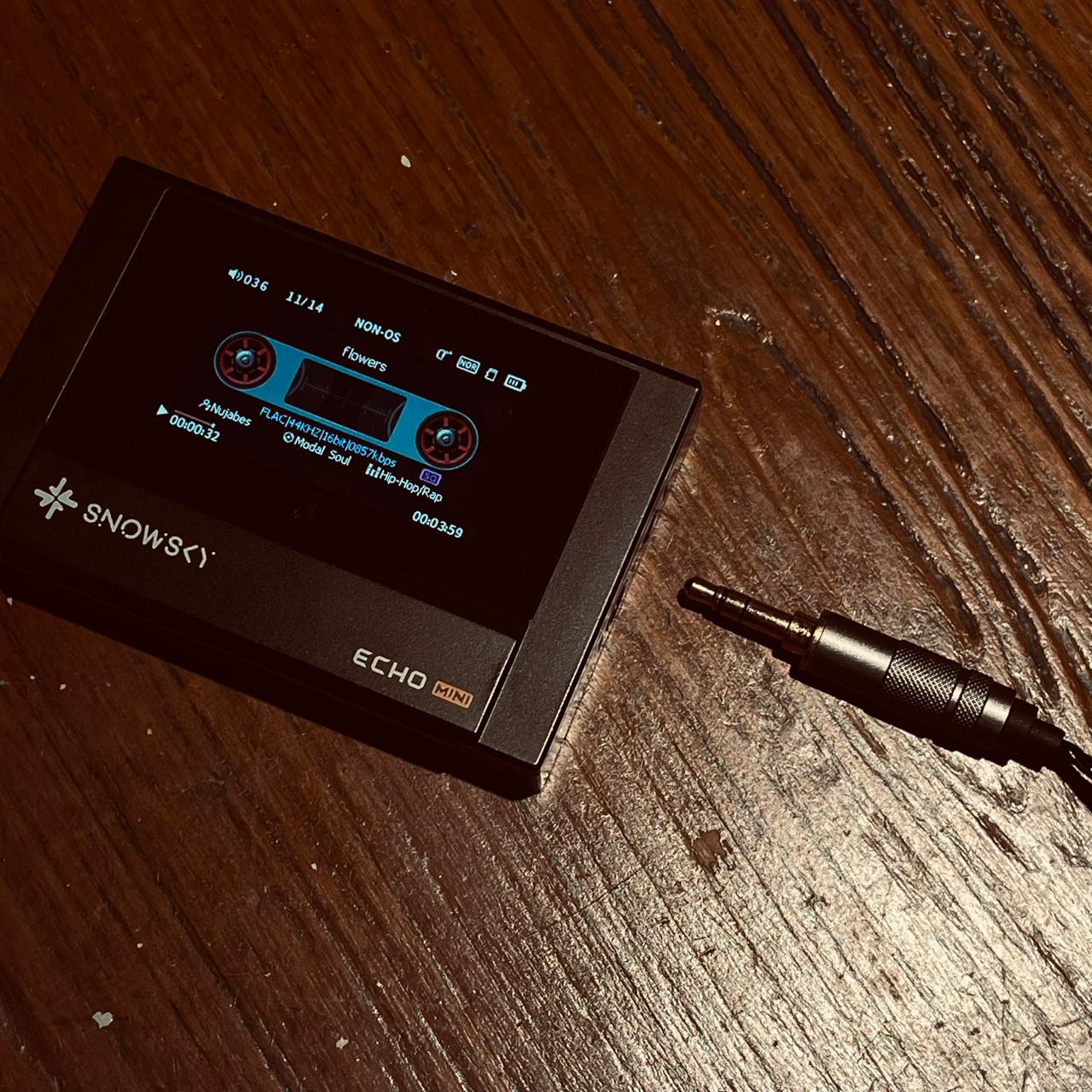
A few months back, I tried this offline EDC thing to fight my doomscrolling addiction. You can read about it in my previous post here:
The concept was really charming: carry a handheld gaming console, an ebook reader, basically anything to keep me off my phone and stop the mindless scrolling.
Spoiler alert: it didn’t work. At least not for me.
In that first post, I even acknowledged that I needed to work on the internal stuff first, which includes the mindset shift and the mental framework, before messing with external tools like my EDC setup. The problem? My so-called “inner transformation” was too theoretical. It was surface-level thinking. Just reading about how deep focus is good and that a boring, work-filled life is necessary doesn’t actually change anything. I needed something concrete, a real practice to make these ideas stick.
Then I stumbled on the solution, and ironically, it came from the same guy I quoted in that EDC post: Cal Newport. But this time from his book Digital Minimalism. This book finally helped me cut my screen time without white-knuckling it, and I actually started doing real work and meaningful leisure activities.
Check out this screenshot of my Instagram usage.
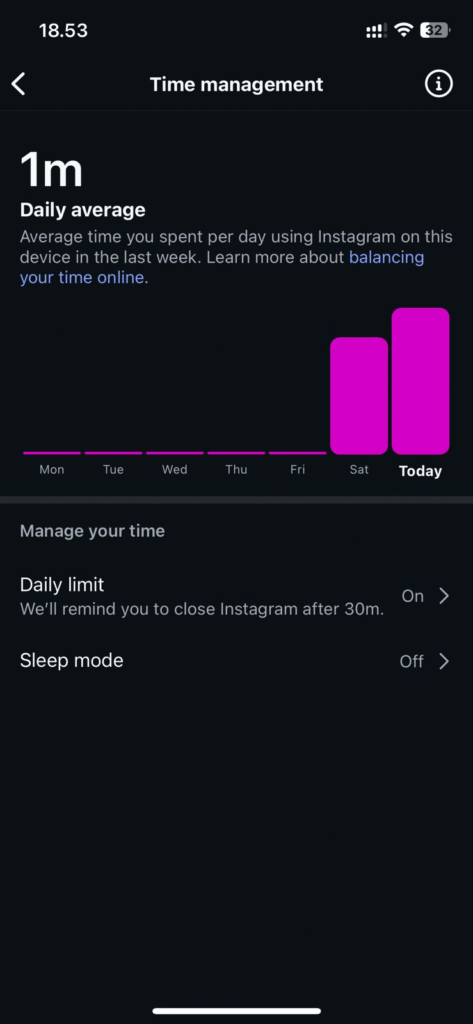
It dropped from around 3 hours a day to almost nothing. Now I only open it to accept follow requests at social events, and if someone DMs me, I move the conversation to WhatsApp.
Before I continue, let me be clear: I’m sharing what worked for me. Your situation might be completely different. That’s the thing with self-help books, you need to optimize and personalize the advice for yourself. Otherwise, you’re just hoarding mental masturbation material for cheap talk.
Here’s my story and how I applied the book’s ideas.
The Realization
When I first started using that EDC setup, things went okay for about a week. Then the anxiety kicked in.
I became way too dependent on having all those items with me. My perfectionist brain would tear into me every time I forgot an item from the EDC. I don’t know if that’s a mild mental illness or just stupidity, but it was exhausting.
So naturally, I went back to my phone. Back to doomscrolling. I’d scroll through social media, find some random interesting topic, then burn 5 hours reading Wikipedia articles and obscure PDFs. I realized my brain was demanding this “perfect EDC setup” just to function properly. I also noticed that I tend to continue to doomscrolling when I initially open my phone just to listen to some music.
The whole situation was wrong in many ways. The tools were using me, not the other way around. I was hoping these objects would magically change me, when I should’ve been the one learning to use them differently.
The Solution
I found the book through YouTube. I watched a quick summary and got interested. Read it on my Kindle. It’s a fairly easy read because Newport repeats himself a lot and keeps things simple. But honestly, I appreciate that style. I’m the type who forgets stuff easily, so the repetition helps.
Newport defines Digital Minimalism as: “a philosophy of technology usage in which you focus your online time on a small number of selected and optimized activities that strongly support things that you value and then happily miss out on everything else.”
So is this just another dopamine detox? Or going full hermit and deleting all your accounts?
BIG NO. Those approaches are shallow. They don’t get deep enough into most people’s psychology to create lasting change.
Digital minimalism is more subtle and actually sustainable. It’s about figuring out what you value in life first, then adapting your tech usage to support those values. That’s how you make it stick.
Some people run businesses entirely through social media, and that’s completely valid. They don’t need to nuke their accounts and destroy their income to practice digital minimalism.
Why Mindless Tech Use is Destroying You
First, we need to understand why mindless technology use is actually harmful. Newport points out that most tech giants started with genuinely good intentions.
The iPhone was supposed to be an iPod that could make calls and show maps.
Facebook and Instagram were meant to help you keep up with friends and family.
But these platforms evolved into what Newport calls the “Attention Economy”, a pathetic exploitation machine. Your smartphone became a glass slab where you waste entire days watching TikTok brainrot. Facebook and Instagram now run on advanced machine learning designed to feed you infinite garbage.
This exploitation is the same kind of evil as cigarette manufacturers engineering their products to be as addictive as possible through careful research and ingredient optimization.
Newport mentions a whistleblower from a tech company who revealed that social media companies do the exact same thing. Once they realized how profitable it was to harvest user data and sell it to advertisers, they went all-in.
They engineered social media to function like a slot machine, specifically designed to get you hooked. The red notification badges. The illusion that you’re some kind of celebrity who needs to post regularly. The pathetic anxiety you feel when you haven’t checked your friend’s latest TikTok reposts. It’s all deliberately designed to mess with your brain.
Let me emphasize that word: deliberately.
You might be thinking: “I’m not important anyway. Who cares if they steal my data as long as I get to watch Skibidi Toilet and reaction videos?”

If that’s your take, you’re completely missing the point.
The Real Cost
Newport introduces the concept of Thoreauvian Economy, borrowed from Henry David Thoreau’s Walden. The cost of something isn’t just money, or in this case, your supposedly “worthless” personal data. The real cost is your life: your time, mental energy, physical energy, and overall well-being.
For what will it profit a man if he gains the whole world and forfeits his soul? Or what shall a man give in return for his soul?
Matthew 16:26
When you doomscroll through algorithmic feeds, you’re burning time and energy you could invest in genuine entertainment, meaningful relationships, or actual productive work. This is maximalist behavior; it is like searching for a needle in a barn full of hay instead of the minimalist approach of simply driving to the store to buy one.
The Digital Declutter Process
Newport’s main practical tool is the Digital Declutter. It is a 30-day reset that actually works. Here’s how it goes:
Step 1: Define Your Technology Rules
Take a hard look at all your optional technologies like social media, AI-generated news sites, video platforms, games, whatever. Optional means it’s not required for your work or essential daily functions. Then decide which ones you’re banning for 30 days.
Be specific. Don’t just say “I’ll use Instagram less.” Say “I’m deleting Instagram for 30 days” or “I’ll only check Instagram on Sundays for 15 minutes.” Vague rules don’t work.
Step 2: Take a 30-Day Break
Actually commit to those rules for a full month. This is where most people fail because they don’t prepare for what comes next.
Step 3: Fill the Void with High-Quality Activities
This is the most critical part that everyone overlooks. You can’t just remove social media and expect to magically become productive. Nature abhors a vacuum. You need to actively replace that wasted time with meaningful activities.
Newport emphasizes high-quality leisure. These are activities that require skill, effort, and engagement. Think: learning an instrument, building something with your hands, joining a sports team, actually reading books, and having real conversations.
My Results
After the 30-day declutter (mine actually only took 21 days because I needed to reinstall Instagram to post on a club Instagram page I manage), I reintroduced some technologies, but with a genuine new mindset. This isn’t about thinking I have the right mindset. I truly live in it now. I don’t just set rules. I actually apply them without thinking.
I installed Instagram again, but only for accepting follow requests at events and managing that one page. All DMs get redirected to WhatsApp immediately. But here’s the thing: no scrolling at all. Not because I’m white-knuckling it or restraining myself, but because I actually have real fun things to do now. The scrolling time dropped to almost nothing naturally.
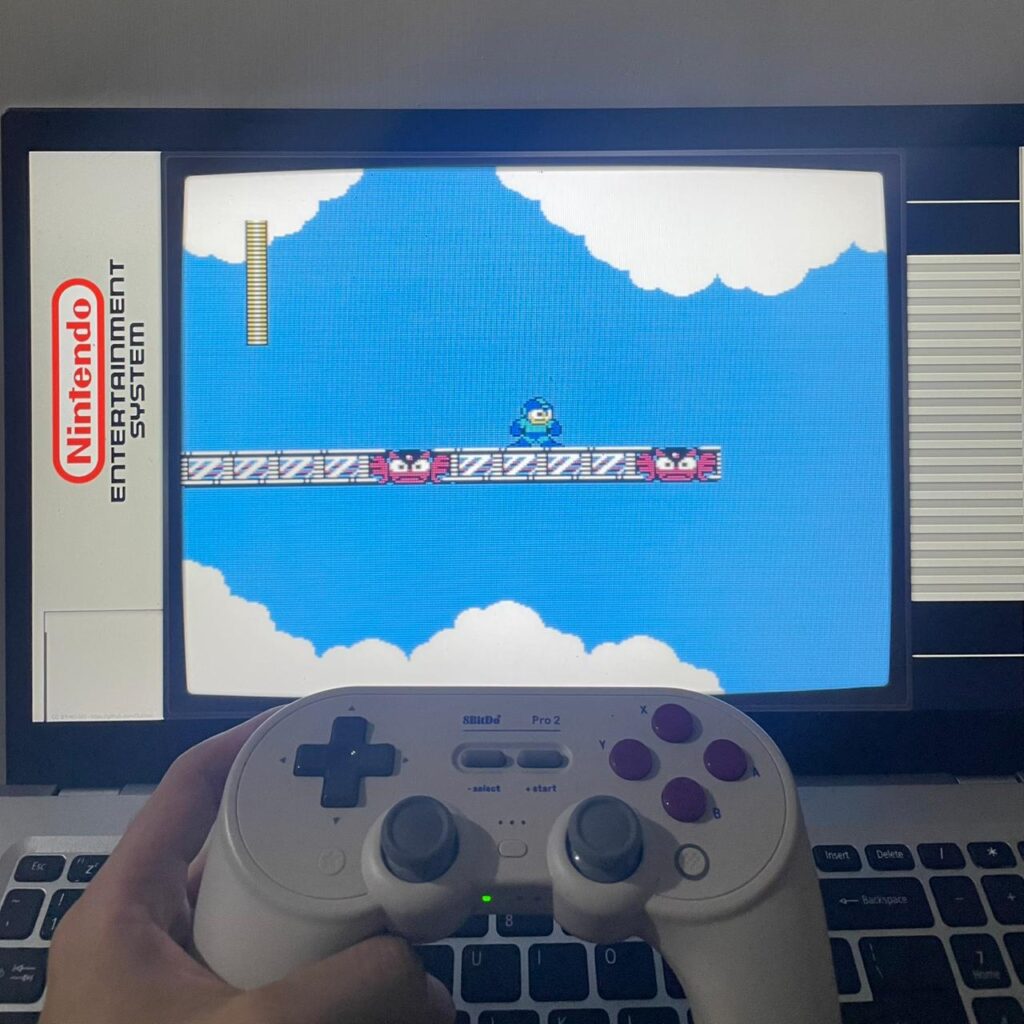
High-quality leisure made all the difference. I kept doing my usual hobbies like playing the violin, reading, listening to music (now using a dedicated DAP), and running, but this time they’re genuinely more enjoyable because my brain isn’t fried from doomscrolling anymore. Because of the extra time freed from the shackles of doomscrolling, I also rediscovered how satisfying retro gaming can be. Seriously, two levels of Mega Man 2 feels infinitely better than five hours of scrolling. That’s because intentionality actually rewards you. Intentionality is satisfying in a way passive consumption never is.
I also completely restructured my information sources. Since I stopped scrolling social media feeds, I needed to consume latest information from somewhere else, but it had to be a source not curated by some cold algorithm that just wants my attention. So I opted for a digital newspaper that gets renewed every morning on my iPad.
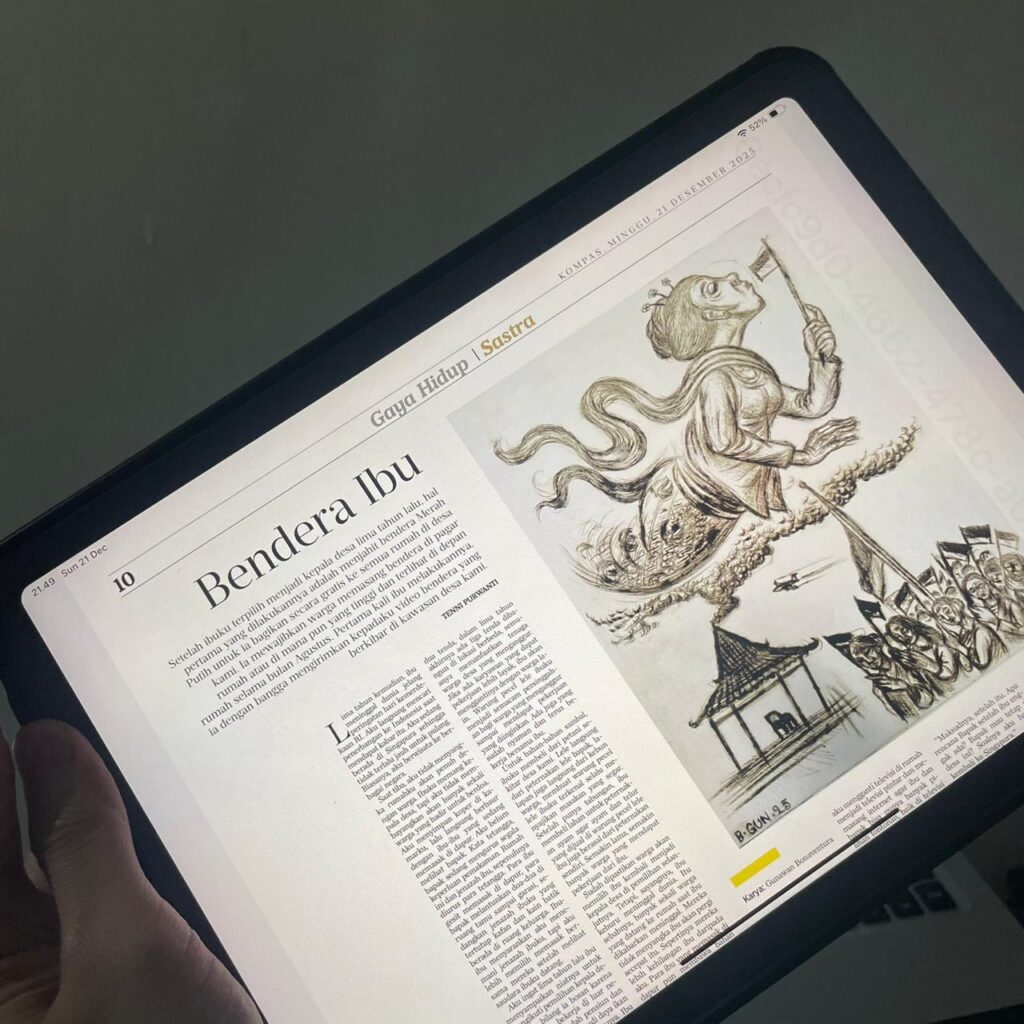
It’s a local newspaper, a well-known Indonesian paper called Kompas. Not the best news media out there, but certainly better than my TikTok For You Page. It has enough depth and covers broad categories of local and international news for daily and weekly consumption. It even has short stories and opinion pieces. Just a regular newspaper, but it fits my whole day’s information needs perfectly.
The key insight from Newport that hit me hardest is the fact that you don’t miss out on anything important. That’s the beautiful part. All those hours I spent scrolling gave me basically nothing of value. The fear of missing out is completely manufactured by these platforms.
Humans are not naturally wired to process the overwhelming amount of information found in social media feeds. Much of what you see on Instagram consists of superficial one-liners and shallow journalism. By restructuring my sources of information, I have regained my confidence and become well-read again, making me more interesting to talk to at social events.
I’m currently working on my undergraduate thesis, and I find that digital minimalism greatly helps me condition my brain for clearer thinking. Embracing solitude is essential. As Newport points out, it’s important to distinguish between solitude and loneliness. Solitude can be beneficial; it’s perfectly okay to miss out on the latest celebrity gossip for a few hours of mental solitude. It’s during these moments that our creativity flourishes.
The Philosophy That Changed Everything
Digital minimalism isn’t about rejecting technology or becoming anti-technology (a total Luddite). It’s about being intentional. It’s about making technology serve your goals instead of letting it hijack your attention for profit.
The companies running these platforms have PhDs in psychology working around the clock to make their apps more addictive. You’re not weak for struggling with this. You’re up against industrial-grade manipulation.
But once you recognize that, you can opt out. You can rebuild your relationship with technology on your own terms.
Your Turn
If you’re reading this and feeling called out, that means something resonated.
Here’s what I recommend.
Don’t try to copy my exact setup. Instead, ask yourself:
- What do I actually value in life?
- How is my current tech usage supporting or undermining those values?
- What would a minimalist, intentional tech setup look like for me?
Start with a 30-day declutter. Pick one or two technologies that are eating your time and energy. Remove them completely or set extremely strict boundaries. Then fill that time with activities that align with your values.
It won’t be comfortable at first. You’ll feel bored, anxious, and restless. That’s withdrawal. Push through it. After a week or two, something shifts. You start remembering what it feels like to have agency over your own attention.
And that feeling? That’s worth more than any algorithm can offer.
If you found this helpful, let me know. And if you’re struggling with this stuff, you’re not alone. We’re all fighting the same battle against platforms designed to exploit our psychology. The difference is whether we’re fighting consciously or just letting it happen.

Leave a Reply